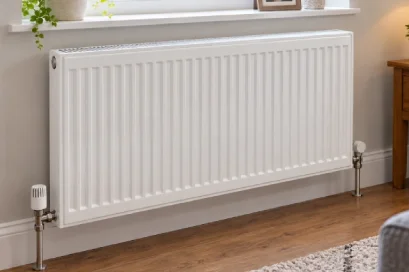
Discoloured water in your central heating system is often noticed when you bleed a radiator. The water may look brown, dark or dirty rather than clear.
A small amount of discolouration does not necessarily mean there is an immediate fault. However, consistently dirty water can indicate a build-up of sludge, rust or other residue within the heating system. This can affect water flow and heating performance over time.
- Content Guide
- » What Causes Discoloured Water in a Heating System?
- - Sediment and Mineral Build-Up
- - Rust and Corrosion
- » What Does Brown Water When Bleeding a Radiator Mean?
- » How Can You Treat Discoloured Heating System Water?
- - Regular Heating System Maintenance
- - Powerflushing
- - When Replacement May Be Needed
- » When Should You Get Professional Help?
What Causes Discoloured Water in a Heating System?
Sediment and Mineral Build-Up
Sediment and mineral deposits can build up inside a heating system over time. This residue can affect water movement and contribute to dirty or discoloured water in radiators.
Rust and Corrosion
Rust and corrosion can also cause brown water when bleeding a radiator. Corrosion within older system components can release particles into the heating water, contributing to sludge and discolouration.
What Does Brown Water When Bleeding a Radiator Mean?
Brown water when bleeding a radiator usually indicates that there is dirt, rust or sludge within the central heating system.
If you regularly see dark water when bleeding your radiators, particularly alongside cold spots, slow heating or unusual noises, the system may need further investigation. If you're also experiencing cold radiators, uneven heating or other issues, see our guide to central heating and radiator problems for further advice.
The colour alone does not tell you exactly what is causing the problem. The condition of the system and its performance also need to be considered.
How Can You Treat Discoloured Heating System Water?
Regular Heating System Maintenance
Regular maintenance can help identify problems and deal with deposits before they affect heating performance.
If you repeatedly find dirty water when bleeding radiators, it is worth having the system checked rather than simply bleeding the radiator again.
Powerflushing
If you already have brown water coming from your radiators, a powerflush may be appropriate. If your system contains significant sludge or debris, our central heating powerflushing service can help clean the system and improve water flow. A powerflush uses cleaning chemicals and controlled water flow to remove sludge, rust and other deposits from the central heating system.
A powerflush is not suitable for every system, so the heating system should be assessed first. Where appropriate, professional cleaning can help restore water flow and heating performance.
When Replacement May Be Needed
Discoloured water alone does not mean that your boiler or heating system needs replacing.
If an older system is also experiencing repeated faults, poor heating performance, unusual noises or other problems, a professional assessment can help determine whether cleaning, repair or replacement is the better option.
When Should You Get Professional Help?
If you regularly see dirty water when bleeding your radiators, or your heating system is not performing as it should, it is worth getting it checked.
Serviceteam provides central heating maintenance and powerflushing services across London. An engineer can assess the condition of the system and advise whether it needs cleaning, repair or further work.
Seeing dirty or brown water when you bleed your radiators? Serviceteam can assess your central heating system and advise whether it needs cleaning, repair or a powerflush. Contact us to arrange a heating assessment in London.