Food scraps can quickly build up around the kitchen sink and contribute to blocked waste pipes, unpleasant smells and extra household waste. An InSinkErator waste disposal unit can grind suitable food waste and send it through the waste system, reducing the amount of food waste that goes into the bin. Before choosing a unit, it is worth checking a few practical points. The right model needs to suit your household, available space, plumbing and electrical setup.
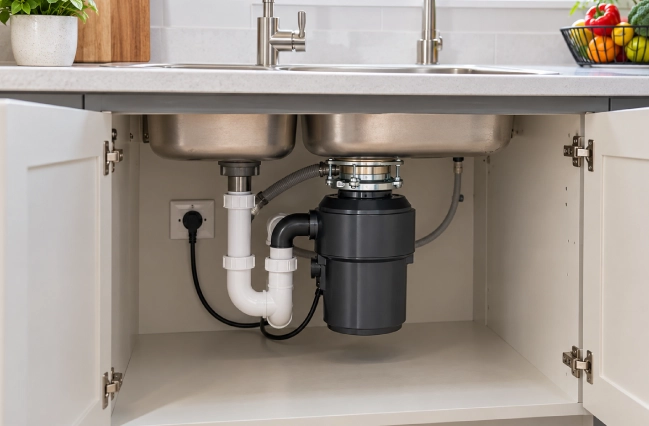
Types of InSinkErators
There are two main types of InSinkErator waste disposal units.
Batch feed
Batch feed units require a special magnetic stopper to be in place before they can operate. This helps prevent accidental items from falling into the unit while it is running. Food waste is processed in batches rather than continuously. This type can also be useful where installing a conventional electrical switch is not practical.
Continuous feed
Continuous feed units operate while they have power. They are commonly controlled by a wall switch, sink-top switch activator or power outlet below the worktop. They allow food waste to be added continuously and are commonly used in domestic kitchens. For more information on choosing and using a waste disposal unit, see our InSinkErator and waste disposal guide.
Things to Consider Before Installing an InSinkErator
Check Local Regulations
Before installing a disposal unit, check the requirements that apply to your property. Plumbing and electrical work may need to meet relevant building and safety requirements. If you are unsure about the installation requirements, it is better to check before buying the unit.
Choose the Right Model
InSinkErator offers different models with different capacities and features. The right choice depends on factors such as household size, cooking habits and the amount of food waste produced.
As a general guide:
- A 1/2 HP food waste disposal system may be suitable for a two- to three-person household.
- A 3/4 HP unit is a common choice for a five- to six-person household.
- For larger households or shared accommodation, a higher-capacity unit may be appropriate.
- Commercial applications such as offices and restaurants may require a 1 HP to 1.5 HP unit.
The exact model should also fit the available space and the manufacturer's requirements.
Check the Available Space
Check the space beneath the kitchen sink before choosing a unit. Measure the available height, width and depth and compare these with the disposal unit's dimensions. If space is limited, you may need a smaller unit or some rearrangement beneath the sink.
Prepare Your Plumbing

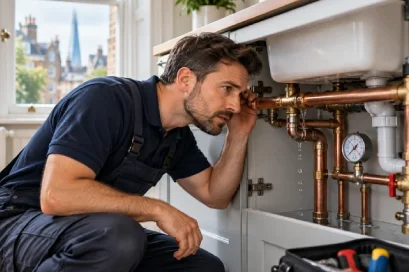
Installing a disposal unit may require changes to the existing plumbing. The waste connection needs to be correctly configured for the unit. If modifications are needed, a professional plumber can check the existing pipework and complete the connection correctly.
Check the Electrical Supply
An InSinkErator needs a suitable electrical connection to operate. The electrical installation should meet the relevant safety requirements for the property and the specific unit. If electrical work is required, use a qualified electrician rather than attempting unfamiliar wiring yourself.
Plan for Proper Ventilation
The waste system needs suitable ventilation to allow air to move through the pipework. Depending on the existing plumbing arrangement, this may involve an air admittance valve or connection to a vented system. Correct ventilation can help the waste system operate properly and reduce problems with odours.
Follow the Manufacturer's Instructions
Always follow the installation and maintenance instructions supplied with your specific InSinkErator model. The manufacturer's instructions contain model-specific information about installation, operation, troubleshooting and maintenance. Keep them available after installation in case you need to check anything later.
Check the Warranty
Check the warranty before choosing an InSinkErator. Warranty periods vary between products, so make sure you understand what is covered and for how long. A longer warranty can provide additional cover, but the terms and conditions are just as important as the length of the warranty.
Serviceteam InSinkErator Installers
Choosing the right InSinkErator is only part of the job. The unit also needs to be installed correctly and connected to the existing plumbing and electrical setup. If you need help with your InSinkErator installation, Serviceteam can provide professional installation support. Our engineers can also help identify the practical requirements before installation. You can book an InSinkErator installation in London if you need professional help with fitting your new waste disposal unit.