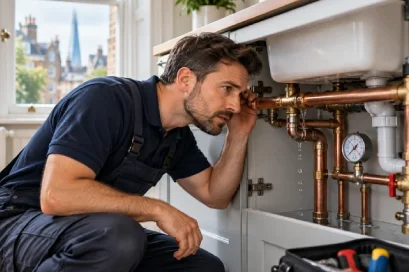
A shower leak behind the wall can be difficult to spot. By the time you see damp, mould or water damage, water may already have been getting behind the tiles for some time. For London homeowners, landlords and tenants, dealing with a leak early can help prevent more extensive damage.
For help with other bathroom fitting issues, see our guide to shower, tap and bathroom fittings.
- Content Guide
- » Why Is My Shower Leaking Behind the Wall?
- - Water leaking from the shower head
- - A leaking shower valve or faucet
- - Damaged grout or sealant
- - Shower drain problems
- » How to Tell If Water Is Leaking Behind Your Shower Wall
- » How Is a Leak Behind the Shower Wall Repaired?
- - Finding the source of the leak
- - Accessing the hidden pipework
- - Repairing or replacing damaged pipes
- - Checking for water damage
- - Sealing and repairing the wall
- » How Much Does It Cost to Repair a Leaking Shower?
- » How to Prevent Future Shower Leaks
- » Repairing a Shower Leak Behind the Wall
- » Frequently Asked Questions
Why Is My Shower Leaking Behind the Wall?
Water leaking behind a shower wall can have several causes. Common problems include a leaking shower head or valve, damaged grout or sealant, and a poorly sealed shower drain.
Water leaking from the shower head
A dripping shower head or loose connection can allow water to reach the area behind the shower tiles. Over time, this may contribute to mould, loose tiles and water damage.
A leaking shower valve or faucet
A worn washer, faulty valve or loose connection can allow water to escape into the wall. This can cause damp, damaged paint and mould if the leak continues.
Damaged grout or sealant
Cracked grout or missing sealant can allow water through gaps around the shower. If water repeatedly gets behind the tiles, it can contribute to mould and damage to the wall or surrounding materials.
Shower drain problems
A poorly sealed drain or damaged gasket can allow water to escape underneath the shower area. This can cause hidden water damage if the problem is left untreated.
If you suspect a leak behind the wall, it is worth getting the cause checked rather than simply treating the visible signs.
How to Tell If Water Is Leaking Behind Your Shower Wall
A leak behind the wall is not always obvious. Look for:
- Damp or discoloured patches around the shower.
- Bubbling or damaged paint.
- Mould or mildew that keeps returning.
- Dripping or running-water sounds when the shower is switched off.
- A sudden change in water pressure.
- An unexplained increase in your water bill.
- Soft, warped or crumbling wall materials.
- Sagging areas around the shower or ceiling.
Persistent damp patches or mould can indicate that water is escaping somewhere out of sight. Soft plaster, warped drywall or a sagging ceiling may suggest the leak has been present for some time.
How Is a Leak Behind the Shower Wall Repaired?
Repairing a shower pipe leaking behind tiles can be more involved than fixing a visible drip. The exact approach depends on where the water is coming from and how the plumbing is installed.
Finding the source of the leak
The first step is to identify where the water is escaping. Moisture meters, infrared cameras and pipe inspection cameras may help locate the problem without unnecessarily opening up the wall.
Accessing the hidden pipework
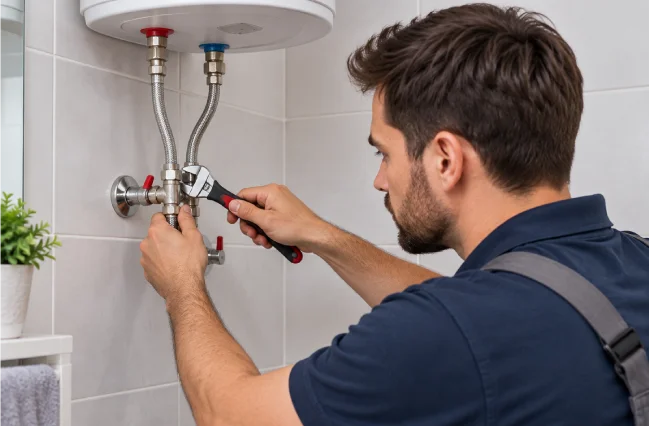
Once the source has been located, the plumber may need to open the wall to reach the pipework. This could involve cutting into drywall, removing tiles or lifting other materials around the plumbing.
Repairing or replacing damaged pipes
The exposed plumbing can then be checked for loose connections, worn seals, corrosion or other damage. A minor fault may be repaired, while badly damaged or corroded pipework may need replacing.
Checking for water damage
A leak behind the wall can cause hidden problems such as mould, rotting wood or damaged drywall. The affected area should be assessed so that any resulting damage can be dealt with properly.
Sealing and repairing the wall
After the leak and any resulting damage have been addressed, the wall can be sealed and repaired. Depending on what was removed, this may involve patching drywall, replacing tiles or repainting.
Hidden leaks can be difficult to diagnose because the source may be behind tiles or inside the wall. If the leak is continuing, getting it checked early can help limit further damage.
If you need professional help, you can find out more about our shower repairs in London.
How Much Does It Cost to Repair a Leaking Shower?

The cost to repair a shower leaking behind the wall depends on the source of the leak, how easy it is to access and whether there is any water damage.
Basic dripping shower repairs, such as shower head or faucet repairs, start from £67 + VAT. Repairs involving hidden pipework may have additional charges depending on the time and materials required.
For an accurate price, the leak needs to be assessed so the required repair can be identified.
How to Prevent Future Shower Leaks
Once a shower leak has been repaired, a few simple checks can help catch problems early:
- Check the shower walls and fittings for cracks, gaps and water stains.
- Replace old or corroded pipework when necessary.
- Make sure plumbing connections are properly sealed.
- Keep the shower area clean so changes such as mould or damaged sealant are easier to spot.
Repairing a Shower Leak Behind the Wall
If you have water leaking behind shower tiles or suspect a leaking shower valve behind the wall, Serviceteam can help identify the problem and carry out the necessary shower repairs in London.
The sooner a hidden leak is investigated, the less opportunity there is for ongoing water damage.
Frequently Asked Questions - (FAQs)
Why is my shower leaking?A leaking shower can be caused by worn seals, cracked tiles, damaged sealant or faulty plumbing. If the leak is getting behind the wall, it is worth having the source checked rather than only treating the visible water.
Who fixes showers?Plumbers and shower leak repair specialists can diagnose and repair leaking showers, including problems involving hidden plumbing.
How much does it cost to repair a shower leak?The cost depends on the type of fault, access to the plumbing and the extent of any water damage. Basic dripping shower repairs start from £67 + VAT, while hidden leaks may require additional time and materials.
How do you repair leaking shower sealant?Old sealant can be removed, the surface cleaned and fresh silicone applied. If the area continues to leak, the underlying cause may need to be checked rather than simply adding more sealant.
How do you fix a leaking shower drain?Check for loose seals or damaged gaskets and replace worn parts where necessary. The drain can then be resealed with suitable waterproof silicone. If it continues to leak, a plumber may need to investigate further.
Suspect your shower is leaking behind the wall? Contact Serviceteam to have the leak checked and repaired before it causes further damage.