Have you noticed an electrical burning smell in your kitchen but cannot find where it is coming from? A smell like burning plastic, overheated wiring or even a faint fishy odour can be a warning sign of an electrical fault. The source may be an appliance, socket, circuit or wiring hidden behind a wall. Do not ignore the smell, even if everything looks normal. Electrical faults can cause overheating, arcing and, in some cases, electrical fires.
- Content Guide
- » What Does an Electrical Burning Smell Like?
- » Common Causes of an Electrical Burning Smell in the Kitchen
- - Overloaded Circuits
- - Faulty Appliances
- - Damaged or Ageing Wiring
- - Older Electrical Circuits
- » Is an Electrical Burning Smell Toxic?
- » How Long Does an Electrical Burning Smell Last?
- » What to Do If You Notice an Electrical Burning Smell
- » What If You Cannot Find the Source of the Smell?
- » How to Prevent Electrical Burning Smells
- » FAQs About Electrical Burning Smells
What Does an Electrical Burning Smell Like?
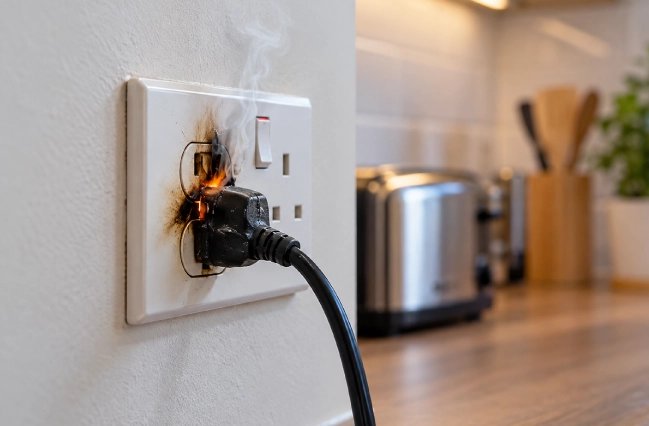
An electrical burning smell is often described as burning plastic, overheated insulation or hot metal. Some people notice a faint fishy or chemical-like smell. The smell can happen when wiring, insulation, plugs or electrical components become too hot. You may not always see smoke, scorch marks or other obvious signs. If you notice sparking, smoke, exposed wiring or a strong burning smell, do not investigate the fault yourself. Switch off the power if it is safe to do so and call a qualified electrician.
Common Causes of an Electrical Burning Smell in the Kitchen
Kitchens contain several high-powered appliances, so electrical faults can develop around sockets, plugs, wiring and appliances.
Overloaded circuits
Running several high-powered appliances on the same circuit can cause overheating. Kettles, dishwashers, ovens, microwaves and other kitchen appliances can place a significant load on an electrical circuit. If a circuit or connection is not coping with the load, components can become hot and produce a burning smell. If you notice a smell, do not keep switching appliances on to find the source. If the smell persists, have the electrical system checked by a qualified electrician.
Faulty appliances
An ageing or damaged appliance can cause an electrical burning smell. Worn cables, damaged plugs, trapped wires or internal electrical faults can lead to overheating or sparking. Microwaves, ovens, toasters and other frequently used kitchen appliances can all develop faults. If an appliance has a damaged cable, melted plastic, scorch marks or an unusual burning smell, stop using it and have it checked.
Damaged or ageing wiring
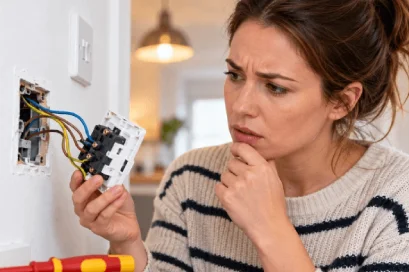
The problem may not be an appliance at all. Damaged, loose or ageing wiring can overheat and produce a burning smell. Wiring can also be damaged by previous DIY work, accidental damage or other problems inside walls. Because the source may be hidden, avoid removing sockets, switches or other electrical fittings yourself. A qualified electrician can inspect the installation and identify the source safely.
Older electrical circuits
Older properties may have electrical systems that were installed before modern kitchens contained so many high-powered appliances. If several appliances are being used at once, an older circuit or connection may struggle with the demand. This can result in overheating and an electrical burning smell. If you live in an older London property and repeatedly notice a burning electrical smell, arrange an electrical inspection rather than simply waiting for the smell to disappear.
Is an Electrical Burning Smell Toxic?
An electrical burning smell can indicate that plastic insulation, wiring or another electrical component is overheating or burning. The fumes can irritate the eyes, throat and lungs, particularly if you remain exposed to them. However, the immediate concern is often the electrical fault itself. An overheating component can become a fire risk. If the smell is strong, persistent or accompanied by smoke, sparks, heat or visible damage, move away from the affected area and call a qualified electrician. Do not try to repair the fault yourself.
How Long Does an Electrical Burning Smell Last?

There is no set length of time for an electrical burning smell to last. It depends on what is causing it. If an appliance has overheated, the smell may reduce once the appliance is switched off and cools down. However, that does not necessarily mean the fault has been fixed. A smell caused by damaged wiring, a loose connection or another electrical fault may continue or return later. If the smell disappears but you cannot identify what caused it, do not assume the problem has gone away. An electrical fault can remain even when there is no longer an obvious smell.
What to Do If You Notice an Electrical Burning Smell
If you smell burning from an electrical source, take it seriously.
Switch off the power if it is safe to do so
If you can safely identify the affected appliance or circuit, switch it off. If there is smoke, sparking, exposed wiring or an immediate fire risk, do not touch the equipment. If it is safe to do so, switch off the relevant circuit at the consumer unit. Do not attempt to dismantle or repair electrical components. If the situation is serious or getting worse, such as visible flames or a fire that is spreading, leave the property and call 999 immediately.
Ventilate the area
Open windows or doors if it is safe to do so and avoid remaining in an area where there is a strong burning smell or smoke.
Call a qualified electrician
If you cannot identify the cause, or the smell involves wiring, sockets, switches or another fixed electrical installation, call a qualified electrician. This is especially important if there is sparking, burning, smoke, exposed wiring, melted plastic or visible scorch marks. These are not problems to investigate or repair yourself. If the smell points to a fault with your wiring, sockets or electrical installation, our electrical repair service in London can help identify and repair the problem safely.
What If You Cannot Find the Source of the Smell?
It is possible to smell burning electrical components without seeing an obvious problem. The source could be inside an appliance, behind a socket, within a connection or inside a wall. The smell may also travel from another part of the property, making it difficult to identify the exact location. You can look for obvious signs such as discolouration, melted plastic or scorch marks, but do not remove sockets, switches or covers to investigate further.
If you can smell electrical burning but cannot find the source, a qualified electrician can inspect the installation and trace the fault safely. If you are dealing with an unexplained electrical smell or another problem with your home electrics, our guide to electrical faults and wiring problems covers other common issues and warning signs.
How to Prevent Electrical Burning Smells
A few basic habits can reduce the risk of electrical problems:
- Check appliance cables and plugs for visible damage.
- Stop using appliances that show signs of overheating or damage.
- Avoid overloading sockets and circuits.
- Do not use damaged plugs, cables or electrical equipment.
- Arrange professional repairs for faulty electrical installations.
- Consider an electrical inspection if you have an older installation or repeated electrical problems.
If you repeatedly notice a burning smell in your kitchen, do not rely on the smell disappearing. The underlying fault may still be present.
FAQs About Electrical Burning Smells
What does a burning electrical smell smell like?It can smell like burning plastic, overheated insulation or hot metal. Some people describe it as a faint fishy or chemical-like smell. If you notice this type of smell without an obvious source, treat it as a possible electrical fault.
What causes an electrical burning smell?Common causes include overloaded circuits, faulty appliances, damaged plugs or cables, loose connections and ageing or damaged wiring.
How long does an electrical burning smell last?It depends on the source. The smell may reduce after an overheated appliance is switched off, but a wiring fault or damaged connection can cause the smell to persist or return. A disappearing smell does not necessarily mean the fault has been fixed.
Is an electrical burning smell toxic?Burning electrical components can produce fumes that may irritate the eyes, throat and lungs. The electrical fault itself can also create a fire risk, so a persistent or unexplained burning smell should be investigated by a qualified electrician.
What should I do if I smell burning in my kitchen?If it is safe, switch off the affected appliance or circuit and ventilate the area. Do not investigate damaged wiring, sockets or electrical components yourself. If you notice smoke, sparks, exposed wiring, melted plastic or a strong burning smell, move away from the area and call a qualified electrician. If there is an immediate fire risk, leave the property and call 999.