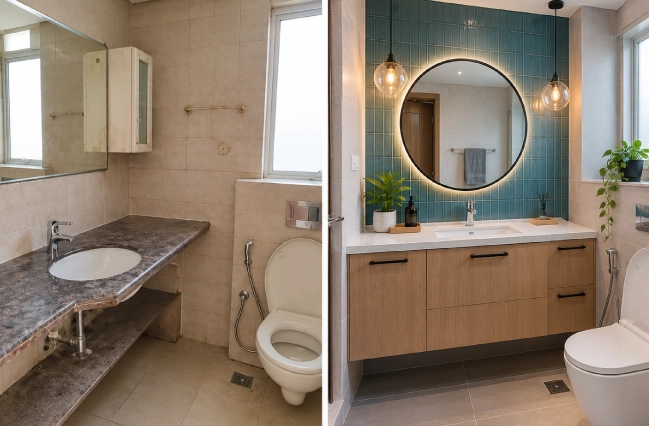
As a rough guide, a full bathroom renovation in London falls somewhere between £5,000 and £15,000. A basic refit sits nearer the bottom of that range. A large room with designer fittings can go past the top of it. Most full refits take two to three weeks on site. That’s the short answer. The real figure depends on your room, your property and how much you want to change, and only a quote for your own bathroom will give you a number to plan around. This guide covers the decision before you commit. What a renovation involves, how to plan the layout, what to budget, which mistakes to avoid, how to compare quotes and who should do the work. It’s written for London homeowners and landlords who are still researching, not for anyone with a leak to fix today.
- Content Guide
- » How Much Does a Bathroom Renovation Cost in London?
- » What a Bathroom Renovation Actually Includes
- » Planning and Redesigning Your Bathroom Layout
- » Do You Need a Full Renovation or Just an Upgrade?
- » Five Bathroom Renovation Mistakes to Avoid
- » How to Get a Bathroom Quote You Can Compare
- » Hiring a Bathroom Fitter vs Doing It Yourself
- » Permissions, Regulations and Landlord Checks
- » How Long a Bathroom Renovation Takes and What to Expect
- » Bathroom Renovation FAQs
- » Next Step: Get Your Bathroom Renovation Price
How Much Does a Bathroom Renovation Cost in London?

As a rough guide, budget between £5,000 and £15,000 for a full bathroom renovation in London. The range is wide because no two bathrooms are the same. The size of the room, the fittings you choose, how much tiling you want and what turns up behind the walls all move the price. Treat any range you read online, including this one, as a starting point. Only a quote for your own bathroom gives you a figure you can budget against. Older Victorian and Edwardian homes often hide surprises once the old suite comes out. Allow for that from the start.
| Budget Level | What That Usually Looks Like |
|---|---|
| Basic | A standard suite, simple tiling and flooring, and the existing layout kept as it is. |
| Mid-range | Better-quality fittings, more tiling and an upgraded shower or bath. |
| High-end | A larger room, designer fittings, underfloor heating, custom features and premium finishes. |
Where the money goes
Three lines make up most of the bill.
- Labour: the trades involved and how long the job takes.
- Fixtures and fittings: the bath or shower, basin, toilet and hardware. This line has the widest spread.
- Tiles and flooring: how much surface you’re covering and the material you choose.
Plastering, lighting, extraction and removal of the old bathroom come on top.
What pushes the price up
- Moving the toilet, shower or bath. New pipework and waste runs add labour and materials.
- Underfloor heating, custom joinery or a made-to-measure shower screen.
- Damp. Proofing adds cost, and severe water damage can add a lot more.
- Structural repairs. Damaged framework has to be fixed before anything else goes in.
What keeps it down
Keep fixtures where they are. Pick standard tile sizes and a mid-range suite. Make every decision before work starts, because changes mid-job cost more than choices made up front. Then set aside another 10 to 20% on top of the quote for surprises.
We go through the main cost factors, including labour, tiling and plastering, on our page about bathroom renovation cost in London.
If you’d rather have a number for your own room, you can request a bathroom renovation quote from our team.
What a Bathroom Renovation Actually Includes
A full renovation is more than new fittings. It’s a sequence of trades, and the order matters.
Strip-out and preparation
The old suite, tiles and flooring come out. Waste is removed. The walls and floor are checked for damp and damage. It’s the messy part, and removing the old bathroom is a real line on the budget. It’s easy to forget.
First fix: plumbing and electrics
Pipes, waste and cables go in before the walls close up. This is when any layout change happens, along with extractor fan positions and lighting circuits. Get this stage wrong and you’ll be pulling tiles off later.
Walls, floors and waterproofing
Walls are boarded and plastered, using a plaster suited to damp rooms. Wet areas around the shower or bath are waterproofed. Floors are levelled, and underfloor heating goes in now if you’re having it. Plaster and adhesives need time to dry, so this stage can’t be rushed.
Tiling and fitting out
Tiles go up. Then the suite, shower, taps, vanity unit, lighting and accessories are fitted. Everything is sealed and tested, and a final check picks up any snags.
Planning and Redesigning Your Bathroom Layout
Layout is where a good renovation is won or lost. Get it right on paper and the rest of the job runs smoother.
Start with what annoys you now
Write down what’s wrong with the current bathroom. A cramped shower. No storage. A cold floor. Poor light. Mould that keeps coming back. Design around those problems first. Style comes second.
Keep fixtures where they are, if you can
Moving the toilet is often the most expensive layout change, because of the soil pipe. Basins and radiators are easier to shift. In flats and older houses, the routes for waste pipes limit what’s practical. A good fitter will tell you early what can move and what can’t.
Make a small bathroom work
Many London bathrooms are narrow, awkward or tucked under a sloping roof. A few changes help. Swap a bath for a walk-in shower. Choose a wall-hung toilet and a slim basin. Add a mirrored cabinet for storage. Keep the colour palette consistent so the room feels bigger.
Plan the lighting and ventilation
Lighting sets the mood of the room. LED downlights are the usual choice, in warm or cool white. Lights around the mirror help with everyday tasks. If you can add natural light, do. Ventilation matters just as much. A properly sized extractor fan keeps moisture down, and poor extraction is a common reason new bathrooms start growing mould. Electrical work in a bathroom follows strict safety rules, so leave it to a qualified electrician.
Think about design support
For bigger changes, ask for design input before you commit. What’s included varies from one supplier to the next. Some quotes cover layout drawings or visuals and some don’t, so if you want them, get them confirmed in the quotation before you agree. Getting the layout right on paper costs less than fixing it after the tiles are on.
Do You Need a Full Renovation or Just an Upgrade?
Not every tired bathroom needs stripping out. Some just need one part replacing. A full renovation makes sense when several things are failing at once. Tiles are loose, the floor is soft, the layout doesn’t work or you’re moving pipework anyway. Doing the whole room in one go is usually cheaper than doing it in stages. A partial upgrade makes sense when the rest of the room is sound. The shower is the most common example. A cracked or stained tray is a nuisance, and plenty of people ask: Can I replace just a shower tray? Sometimes, yes. It depends on the tray size, the waste position, whether the tiles overlap the tray edge and whether water has already got into the floor underneath. Our guide covers what’s involved.
Here’s a simple test. If the small job means removing tiles or disturbing pipework, get a price for the full job alongside it. The gap is sometimes smaller than you’d expect.
Five Bathroom Renovation Mistakes to Avoid

These are the ones we see most often. Every one of them is avoidable.
1. Starting without a real budget
A rough figure isn’t a budget. Set the number, then add a contingency of 10 to 20%. Hidden damp, rotten floorboards and worn pipework are common in older London homes. If the money isn’t there when they appear, the project stalls halfway.
2. Changing the plan halfway
Scope creep is when a project grows beyond its original brief. Before work starts, write two lists: must-haves and would-likes. Stick to them. Every mid-job change costs time, and it can waste materials you’ve already ordered.
3. Skimping on waterproofing and ventilation
Nobody sees the waterproofing once the tiles are up. Everyone sees the damp when it fails. Spend properly on tanking, a good extractor fan and the right plaster for a wet room. It’s cheap insurance.
4. Ordering late or without measuring
Suites, tiles and made-to-measure screens can have long lead times. Wrong measurements mean wrong orders. Have the main materials on site before the strip-out starts, and check delivery dates for anything bespoke. Screens are usually measured after tiling, so plan for that wait.
5. Hiring on price alone
The cheapest quote often leaves things out. Compare what’s included, not just the total. Check qualifications and insurance. Make sure there’s a written contract covering the scope, the timeline and the payment schedule.
How to Get a Bathroom Quote You Can Compare
A quote only helps if you can set it beside another one, like for like.
What a good quote covers
Ask for an itemised quote. It should show:
- Strip-out and waste removal
- Plumbing and electrics
- Plastering and waterproofing
- Tiling and flooring
- Fixtures and fittings, and who supplies them
- Labour, timeline and staged payments
- What happens if hidden problems turn up
Check how the price is worked out
A price is only as good as the information behind it. For a full renovation, a survey of the room is the most reliable way to fix a price, because it shows the access, pipe routes, floor and walls. Some companies give a fast quote from measurements and photos, then confirm it with a survey where needed. Ask which applies and whether the price can change.
Compare at least three
Get at least three quotes and line them up. If one is much lower, find out why. Ask about exclusions, contingency and guarantees. Serviceteam offers fast quotes, with site surveys where needed, and a free quote is available. When you’re ready, you can get a free bathroom renovation quote for your own property.
Hiring a Bathroom Fitter vs Doing It Yourself
DIY can save money on the right jobs. A full bathroom isn’t usually one of them.
What you can sensibly do yourself
Painting. Fitting accessories like towel rails and mirrors. Simple tiling on a flat wall, if you have the tools and the patience. Every hour you do yourself is an hour you don’t pay for. Be honest about your skill level, though. Poor tiling is hard to hide.
What to leave to professionals
Plumbing, electrics, waterproofing and anything involving gas or your boiler. Mistakes here sit behind finished walls, and when they fail you’re taking the room apart again. Bathroom electrics have strict safety zones, and gas work legally needs a Gas Safe registered engineer.
Why a fitter is worth paying for
A good fitter co-ordinates the trades in the right order. They spot problems early, order the right materials and stand behind the finished work. That’s most of the value. Reputable fitters back their work with a guarantee on workmanship, which DIY can’t offer. Ask what it covers and for how long
What to check before you hire
- Recommendations from friends, family or colleagues
- Qualifications and insurance
- Membership of a professional body, such as the Chartered Institute of Plumbing and Heating Engineering
- Reviews on Trustpilot or Checkatrade, and photos of past work
- A detailed written contract
For a fuller checklist, see our page on professional bathroom fitters near me.
Permissions, Regulations and Landlord Checks
Most bathroom renovations don’t need planning permission. That doesn’t mean there are no rules.
For homeowners
- Like-for-like swaps in the same position usually don’t need Building Regulations approval. New wiring, drainage changes, altered ventilation and structural work can. A competent, registered tradesperson can usually certify the work, and any existing extract ventilation should be kept or replaced.
- Leasehold flats: your lease sets what you can change. Moving the bathroom, altering plumbing or drainage, changing floors or doing structural work often needs the freeholder’s written consent, so read your lease first.
- Listed buildings usually don’t need consent to replace modern fittings. Altering the room, adding pipework that affects historic fabric or removing original features may need listed building consent, so check with your local council first.
- Gas work, including anything on your boiler, must be done by a Gas Safe registered engineer.
Approval costs vary with the scope of the job. Ask about them at quote stage so they don’t catch you out.
For landlords
Choose durable, moisture-resistant finishes that are easy to clean and replace. Keep the fittings standard so repairs stay simple. Give tenants proper notice and agree access dates. Plan the work to keep empty periods short. Keep every certificate from the job, including the electrical certificate for any new work. In England, private landlords also need a valid electrical installation condition report, renewed at least every five years, so keep your records complete.
How Long a Bathroom Renovation Takes and What to Expect

A standard full bathroom renovation takes around two to three weeks on site. Larger or more complex jobs take longer, and your quote should confirm the timeline for your bathroom. A typical run looks like this:
- Week one: strip-out, then first fix plumbing and electrics.
- Week two: boarding, plastering and waterproofing, with drying time before tiling begins.
- Week three: tiling finishes, then the suite, shower and fittings go in, followed by sealing, testing and a final check.
Allow a few weeks before the start for design, quotes and ordering. That’s where most delays begin. Expect noise, dust and deliveries. The water will be off at times. If it’s your only bathroom, plan where you’ll wash and use the toilet, and ask your fitter for the dates when the water will be off.
Bathroom Renovation FAQs
Is a bathroom renovation worth it?Usually, yes. A good bathroom helps a home sell or let, and a tired one puts people off. The bigger gain is daily use. Spend on what you’ll notice: a good shower, a warm floor and proper lighting.
Can I keep my existing layout to save money?Yes. Keeping the toilet, bath or shower and basin where they are avoids new pipework and waste runs. It’s the simplest way to cut the labour bill.
Do I need separate plumbers, electricians and tilers?Not if you hire a company that manages all the trades. One team, one point of contact and one schedule is easier to run and easier to hold to account.
Should I buy the fittings myself?It can save money, but check with your fitter first. If a fitting is wrong, damaged or late, the delay is yours. Some fitters prefer to supply materials so responsibility is clear.
Can I stay at home during the work?Usually, yes. Plan for dust, noise and days without running water. If it’s your only bathroom, arrange somewhere else to shower.
Next Step: Get Your Bathroom Renovation Price
You now know the typical costs, what the job involves and where projects go wrong. The next step is a price for your own bathroom.
Serviceteam carries out bathroom renovations for London homeowners and landlords. Our tradespeople cover plumbing, electrics, tiling and more, so you deal with one company from strip-out to finish. For larger jobs, our tradesperson or estimator can give you a fixed price before work starts. All our work is backed by the Serviceteam guarantee on workmanship, we carry £2 million public liability insurance and we’re vetted through Checkatrade. A free quote is available.
Tell us what you have in mind and get your free bathroom renovation quote.